A cold top floor in a Brooklyn house is usually an attic problem, not a heating problem. Warm air escapes upward through gaps at the ceiling plane and leaves through the roof, and no boiler compensates for that. MLM Construction Group diagnoses it free at (516) 713-9199.
The Call We Get Every November
Somebody turns the heat on for the season and the top floor never gets comfortable. The radiators are hot. The boiler was serviced. The thermostat downstairs says 70. And the bedroom on the top floor sits at 62 with a draft nobody can find.
Almost every time, the heat is not failing to arrive. It is arriving and then leaving, and it leaves upward.
Where It Actually Goes
Warm air is buoyant. It collects at the highest point in the house and pushes against the ceiling of the top floor, looking for a way out. On an older Brooklyn house there are more ways out than anyone expects, and none of them are visible from inside the room.
- Recessed light fixtures. Each one is a hole cut through the ceiling into the attic. Older non airtight cans leak continuously.
- The attic hatch. Usually a thin panel sitting in a frame with no weatherstrip and no insulation on top of it.
- Plumbing and vent stacks. The hole cut for a four inch pipe is rarely four inches, and almost never sealed.
- Bathroom and kitchen fans. Many of them vent into the attic rather than outside, which adds moisture to the heat.
- Top plates of interior walls. The gap where a partition wall meets the ceiling runs the length of the wall and is open into the attic cavity in a lot of older framing.
- Chimney chases and duct penetrations. The largest openings in most houses, and the ones with the strongest draft.
Added together these commonly total the area of an open window, left open all winter, at the highest point in the house.
Why Adding Insulation Often Disappoints
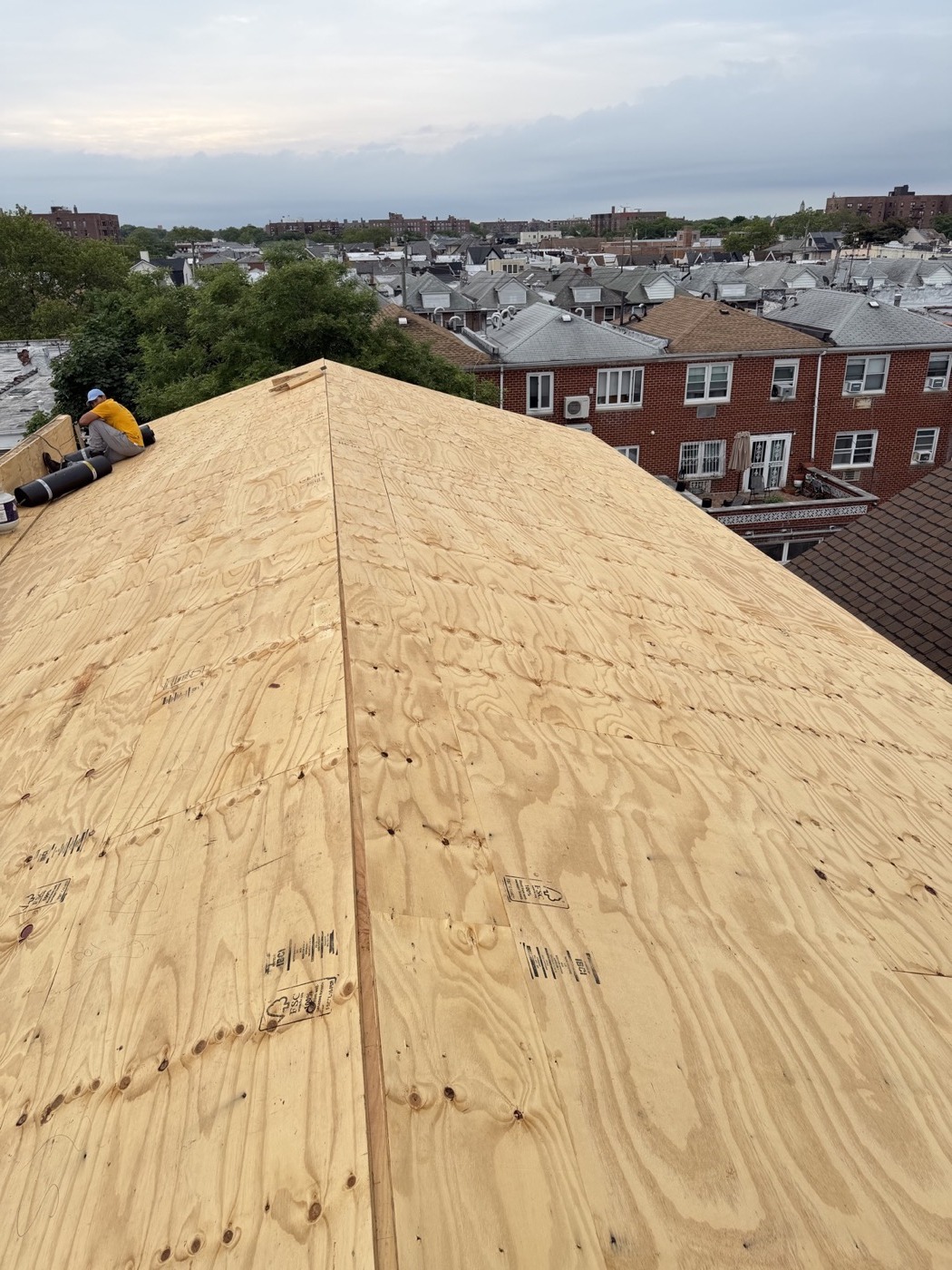
This is the part that costs people money. Insulation slows heat moving through a surface. It does almost nothing about air moving through a hole. Blowing another foot of cellulose over a ceiling full of unsealed penetrations lets the air travel straight through it, and the homeowner concludes that insulation does not work.
The order matters more than the product. Seal the ceiling plane, then insulate it. Done the right way round, the same money produces a result people actually feel. Done the wrong way round, the gaps are now buried and harder to find.
Ventilation Is Not Heating, and That Confuses People
Homeowners regularly ask us to close off attic vents to keep the house warmer. It is an understandable instinct and it is the wrong move.
Attic ventilation exists to keep the roof deck cold and dry, not to keep the house warm. A cold deck is what prevents ice dams, because snow that melts on a warm deck refreezes at the cold eave and backs water up under the shingles. A ventilated deck is also what carries away the moisture in whatever air does escape, instead of letting it condense on the underside of the sheathing and drip back into the insulation.
Warmth is kept in by the sealed, insulated ceiling plane below the attic. The attic itself is supposed to be cold. Those two facts sit together and almost every cold top floor we see involves someone having confused them.
How to Tell If This Is Your House
Four signs, and any two together are enough to act on.
- A temperature gap. Several degrees between the top floor and the floor below, with the heat running.
- Frost or damp on the sheathing. Go up on a cold dry day with a flashlight and look at the underside of the roof. Frost on the nail points means your indoor air is reaching it.
- Snow that melts off your roof first. Walk the block after a snowfall. A roof that clears while the neighbours stay white is losing heat through it.
- A bill that rose without a reason. Same habits, same thermostat, higher number.
Why This Falls Between Trades
A roofer looks at the roof. An insulation contractor looks at the insulation. An HVAC contractor looks at the boiler. The actual problem is the relationship between four things: the ceiling plane, the insulation on it, the ventilation above it, and the roof assembly over that. Fix one in isolation and you frequently make another worse. Seal an attic tight without ventilation and you get condensation. Ventilate without sealing and you pull heated air up faster.
We look at all four on the same visit because they are one system. If what you need is an insulation contractor and not us, we will say so. Read more on attic ventilation in Brooklyn, attic condensation versus a roof leak, and ice dam prevention.
The Honest Order of Operations
Diagnose on a cold day, because that is when air leaks announce themselves. Seal the ceiling plane, starting with the biggest openings, which are usually the chimney chase and the duct penetrations rather than the ones people worry about. Reroute any bath fan that discharges into the attic. Then bring the insulation up to depth. Then confirm the intake and exhaust ventilation can actually do its job, because insulation is often what blocks the soffit vents in the first place.
Interior work is not weather dependent, so none of this has to wait for spring. Winter is the better diagnostic season anyway.
Frequently Asked Questions
Why is my top floor cold when the rest of the house is warm?
Warm air rises and leaves through whatever gaps exist at the ceiling of the top floor: around light fixtures, the attic hatch, plumbing stacks, bathroom fans and where interior walls meet the ceiling. That air carries your heat into the attic and out through the roof. The thermostat downstairs reads fine, so the boiler never runs longer, and the top floor stays cold no matter how high you set it.
Is this an insulation problem or an air leak problem?
Air leaks first, almost always. Insulation slows heat moving through a surface, but it does nothing to stop air moving through a hole, and a gap the size of a fist around a plumbing stack moves more heat than several feet of missing insulation. That is why adding more insulation on top of an unsealed ceiling disappoints so many people. The sequence is seal first, insulate second.
Will more attic insulation fix it?
Only after the air sealing. Insulation laid over open gaps lets air move straight through it, and in some cases makes diagnosis harder because the gaps are now buried. Done in the right order, air sealing the ceiling plane and then bringing insulation up to depth is one of the most reliable comfort improvements available on an older Brooklyn house.
What does attic ventilation have to do with heat?
More than people expect, and it cuts both ways. In winter, ventilation keeps the roof deck cold, which is what prevents ice dams and prevents your escaping moisture from condensing on the underside of the sheathing. The mistake is thinking ventilation keeps the house warm. It does not. It keeps the roof healthy. The warmth is kept in by the sealed and insulated ceiling below it.
How do I know if this is my problem?
Four signs. The top floor is several degrees colder than the floor below with the heat running. There is frost or damp on the underside of the roof sheathing on a cold dry day. Snow melts off your roof faster than off your neighbour's. Or your heating bill rose without your habits changing. Any two of those together usually mean heat is leaving through the attic.
Is this roofing work or something else?
It sits exactly on the line, which is why it often falls through the gap. A roofer looks at the roof, an insulation contractor looks at the insulation, and the actual problem is the relationship between the ceiling plane, the insulation, the ventilation and the roof assembly. We look at all four together because fixing one of them in isolation is how people spend money twice.
Can this be done in winter?
Yes, and winter is the easiest time to find the problem. Air leaks are visible on a cold day in a way they never are in July, because the temperature difference makes them obvious. Air sealing and insulation are interior work, so weather does not stop it. Only the roof side of the job, if the deck or the venting needs work, waits for conditions.
Free Attic and Roof Heat Loss Check
We go in the attic and on the roof, photograph what we find, and tell you plainly whether the fix is air sealing, insulation, ventilation or the roof itself. Brooklyn, Queens, Manhattan, the Bronx, Staten Island and Nassau County. Licensed, insured & Google Guaranteed.
📞 (516) 713-9199 Get Free Estimate