✅ Google Guaranteed
🏆 BBB A+ Accredited
🛡️ 20-Year Warranty
📋 Licensed & Insured
★★★★★ 97 Google Reviews
📞 (516) 713-9199
Firestone Certified Installers

EIFS & Stucco
Installation Experts

Energy efficient exterior systems that protect your home, reduce heating bills, and transform curb appeal. Serving Brooklyn since 2009.

Get Free Estimate Call (516) 713-9199
Firestone CertifiedBBB A+ RatedLicensed & InsuredFree Estimates
What We Offer

Complete EIFS & Stucco Services

🏠

EIFS Installation

Full exterior insulation and finish systems for homes and commercial buildings.

🧱

Traditional Stucco

Classic 3-coat cement stucco. Durable, fire resistant, lasts 50+ years.

🎨

Custom Textures & Finishes

Smooth, sand, dash, lace and more. Dozens of colors available.

🔧

Stucco Repair & Resurfacing

Crack repair, patching, full resurfacing. Perfect texture matching.

💧

Waterproofing

Prevent water infiltration and moisture damage with protective coatings.

🏢

Commercial Stucco

Multi family, retail, office buildings. Full project management.

EIFS vs Traditional

Which System Is Right for You?

EIFS: Synthetic Stucco

  • Superior energy insulation, saves 20 to 30% on bills
  • Lightweight, flexible, crack resistant
  • Faster installation turnaround
  • Wide range of textures and custom colors

Traditional Stucco

  • Extremely durable, 50+ year lifespan
  • Highly fire resistant
  • Classic look for Brooklyn brownstones
  • Great soundproofing from street noise

Free Consultation

Why EIFS?

Energy Savings You Can Feel

EIFS acts as a thermal barrier year round. In winter it holds heat inside. In summer it repels sunrays. Many Brooklyn homeowners report heating cost reductions of 20 to 30 percent after installation.

  • Keeps heat in during cold New York winters
  • Reflects sunrays to cool your home in summer
  • Excellent soundproofing from street noise
  • Reduces energy bills for years to come
Get My Free Estimate
EIFS installation Brooklyn
How It Works

The EIFS Installation Process

EIFS is a layered system. Each layer depends on the one below it. Skip a step and the whole system fails eventually.

1
Substrate and WaterproofingAll penetrations wrapped with self adhering flashing tape. Windows, doors, and mechanical openings pan flashed. This layer protects the wall assembly if the outer finish ever allows any moisture in.
2
EPS Foam BoardExpanded polystyrene boards adhered and mechanically fastened with joints staggered to prevent crack telegraph. Boards rasped flat before base coat to ensure uniform thickness throughout.
3
Mesh and Base CoatHeavy duty fiberglass mesh embedded in polymer modified base coat. Double mesh at corners and around openings. Minimum 1/16-inch coverage over mesh. This layer is the impact and crack resistance of the system.
4
Finish CoatAcrylic or silicone finish coat in your selected texture and color. Smooth, sand, dash, or custom profiles available. Color is integral to the material, no painting required or recommended. Applied wet on wet for seamless appearance.
Straight Answers

What You Should Know Before Choosing EIFS

The question that matters on any EIFS job in Brooklyn is not which brand of finish goes on the wall. It is whether there is a drainage path behind the insulation board. A drainable system gives water that gets past the finish somewhere to go. A barrier system does not, and that single difference is responsible for the entire bad reputation EIFS carries.

A great deal of 1980s and 1990s construction used barrier systems. On those walls the finish outside can look new while the sheathing behind it has rotted, because the water never had an exit. That is why we probe and take moisture readings rather than assessing EIFS visually, and why we will not quote a repair on a wall we have not opened.

Where EIFS genuinely wins is energy performance. Continuous insulation across the entire wall, including the studs, is something traditional stucco cannot offer at any price, and on a top floor or an exposed elevation it is a difference occupants notice. It is also light, which matters on structures that cannot carry the weight of a three coat system.

Where traditional stucco wins is on masonry row houses and brownstones, where the wall should dry outward, the structure can carry the weight, and in landmarked districts where appearance is reviewed. We install both and we will tell you which one your building actually calls for. See our stucco page and waterproofing for related work.

Frequently Asked Questions

What is EIFS and how is it different from stucco?

EIFS is an exterior insulation and finish system: insulation board fixed to the wall with a reinforced base coat and a thin synthetic finish over it. Traditional stucco is a cement based system applied over wire lath. The real difference is insulation. EIFS gives continuous R-4 to R-5 per inch across the whole wall including the studs, which stucco cannot do at all.

Is EIFS a problem? I have heard bad things.

Barrier EIFS installed in the 1980s and 1990s without a drainage path behind the board has a genuinely poor record, because water that got past the finish had nowhere to go and rotted the sheathing while the outside still looked new. Modern drainable EIFS with a proper water resistive barrier performs well. The detailing failed, not the concept, and the first job is identifying which one you have.

How much does EIFS cost in Brooklyn?

EIFS runs $12 to $25 per square foot installed depending on insulation thickness, finish and access. A typical Brooklyn elevation lands between $10,000 and $30,000. Removing a failed existing system and repairing the substrate underneath is quoted separately, because nobody honestly knows that condition until the wall is opened.

How do you tell whether my EIFS has drainage behind it?

By probing, not by looking. We take moisture readings and make selective probe openings at the points where water is most likely to enter, usually window heads, penetrations and the base of the wall. The finish on a failing barrier system can look perfect while the sheathing behind it is gone, which is why a visual assessment on its own is worthless here.

How long does EIFS last?

A properly installed drainable system gives 25 to 40 years. A barrier system with no drainage often fails well inside 20. Both assume the gutters above stay clear, because overflow water hitting one strip of wall will defeat either system. The finish coat itself can be recoated at 10 to 15 years, which extends the whole assembly.

Can EIFS go over my existing stucco?

Sometimes, and often it should not. If the existing stucco is sound and fully bonded it can be worked over. If it drums when tapped or is holding moisture, you would be sealing a wet wall behind a new insulated skin and the damage continues out of sight. We sound the wall first and tell you plainly which situation you are in.
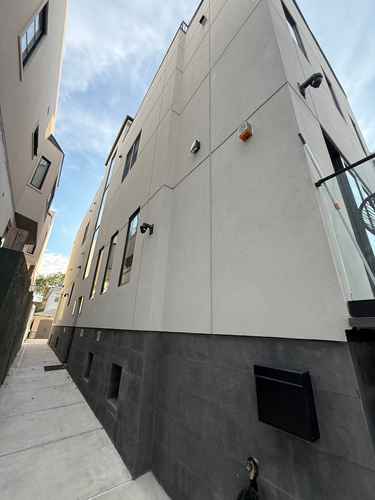
EIFS Requires More Than a Certificate

Call or fill out the form for a free estimate. We typically respond within a few hours.

Request Free Estimate Call (516) 713-9199
📞 (516) 713-9199 WhatsApp

Roofing and Exterior Services

Roof RepairRoof ReplacementBrownstone RoofingEmergency Roof RepairRoof InspectionShingle RoofingFlat RoofingSlate RoofingMetal RoofingCommercial RoofingRoof CoatingGutters and LeadersChimney RepairSkylightsWaterproofingBrick PointingStuccoEIFSSidingInsurance ClaimsMaintenance PlanRoofing Cost Guide

Areas We Serve

Bay RidgePark SlopeWilliamsburgBed StuyFlatbushEast FlatbushBensonhurstSunset ParkBorough ParkRed HookCarroll GardensCobble HillCrown HeightsFort GreeneGreenpointBushwickCanarsieFlatlandsMarine ParkMill BasinSheepshead BayGravesendConey IslandBrighton BeachDyker HeightsMidwoodKensingtonEast New YorkQueensAstoriaLong Island CityJackson HeightsFlushingBaysideWhitestoneForest HillsHoward BeachJamaicaManhattanUpper East SideUpper West SideHarlemWashington HeightsBronxStaten IslandGreat NeckGarden CityHempsteadLong BeachMineolaValley StreamManhattan BeachBergen BeachDitmas ParkWindsor Terrace
Call (516) 713-9199 Free Estimate